Sweater Weather SVG PNG
As an embroidery designer and product reviewer, I’ve evaluated countless digital files for real-world use. Sweater Weather SVG PNG caught my attention not just for its aesthetic appeal but for how it translates into practical embroidery projects. Whether you're a small business owner, Etsy seller, or hobbyist, this design has potential—but it also requires thoughtful application.
The First Impression: A Cozy, Timeless Feel
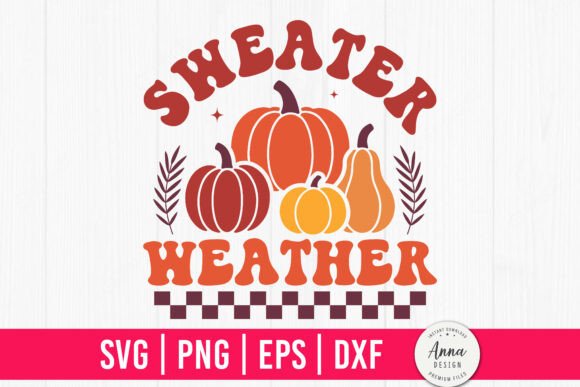
Sweater Weather SVG PNG immediately evokes a sense of comfort and nostalgia. The design features soft curves, gentle typography, and a minimalist layout that feels like a warm hug. It’s the kind of design that works well on items people want to keep close—like a cozy sweatshirt, a personalized tote bag, or a baby onesie. The visual personality is understated yet distinctive, making it versatile for both casual and semi-formal uses.
The theme is clear: a cozy, autumnal vibe that resonates with many crafters and customers. It’s perfect for seasonal projects, holiday gifts, or even as a signature element for a boutique brand that leans into a relaxed, homey aesthetic.
Real-Life Embroidery Performance
Testing Sweater Weather SVG PNG on various fabrics and projects gave me a good sense of how it performs in practice. On a cotton sweatshirt, the design held up well with a balanced stitch density that didn’t overwhelm the fabric. The lettering was clean, and the overall shape maintained its integrity without distortion.
For custom apparel, this design works best on medium-weight fabrics. Thin or stretchy materials might require additional stabilizer to prevent puckering or stretching during stitching. On textured fabrics like denim or linen, the design still looks good, but the details may be slightly less crisp than on smoother surfaces.
This SVG PNG is ideal for tote bags, aprons, and pillow covers where the design can be seen from a distance. However, if you’re planning to use it on something like a cap or a patch, you’ll need to consider the hoop size and how the design scales. Smaller hoop sizes may limit how much of the design you can stitch at once, requiring multiple passes or careful placement.
Where to Use It Carefully
Sweater Weather SVG PNG isn’t a one-size-fits-all design. If you’re working with dark fabric, the contrast between the thread color and the background becomes crucial. Light-colored threads may not show up well on black or navy, so choosing the right thread colors is essential for visibility.
On thin or stretchy fabrics, the design may require extra support. Using a tear-away or cutaway stabilizer can help maintain the shape and prevent the stitches from pulling the fabric out of place. For layered garments or curved surfaces, the design may need slight adjustments to fit properly.
Small details like tiny lettering or intricate corners can be challenging. If the design includes delicate elements, test it on scrap fabric first to ensure the stitch density and thread colors work well. Dense stitch areas may cause the fabric to pucker, so adjusting the stitch count or using a different type of stitch (like a running stitch) could help.
Impact on Visual Appeal and Customer Perception
Sweater Weather SVG PNG adds a touch of elegance to any project. Its clean lines and simple composition make it easy to pair with other designs or text, which is great for creating cohesive branding or personalized gifts. When used on a handmade product, it elevates the overall look and feel, making the finished item more appealing to buyers.
From a customer perspective, this design feels authentic and well-crafted. It’s the kind of detail that makes a personalized gift stand out, whether it’s a birthday present, a wedding keepsake, or a holiday ornament. The visual clarity of the design ensures that it looks professional, which is key for small business owners and Etsy sellers looking to build trust with their audience.
Practical Designer Notes
Before using Sweater Weather SVG PNG in a commercial project, there are several steps to take. First, test the design on different fabrics to see how it behaves. Check the thread color contrast, especially if you’re using it on dark or light backgrounds. Review the stitch density to ensure it’s appropriate for the fabric you’re using.
Confirm the hoop size required for your machine. If the design is large, you may need to split it into sections or adjust the layout to fit within your machine’s capabilities. Inspect the small details closely—tiny letters or intricate patterns may need special attention to look their best.
Use printable mockups to visualize how the design will look on the final product. This helps in making adjustments before committing to a full embroidery project. Also, check the licensing terms to ensure you’re allowed to sell finished items or resell the digital file, depending on your business model.
Best Fit for Specific Projects
Sweater Weather SVG PNG shines on items that emphasize comfort and style. It’s perfect for a custom sweatshirt, a cozy baby blanket, or a personalized kitchen towel. As an embroidered patch, it can add a unique touch to jackets, backpacks, or caps. For holiday or wedding gifts, the design offers a subtle yet meaningful way to personalize items without being too flashy.
It’s also a great choice for small shop products, such as boutique-branded t-shirts or handmade accessories. The design’s simplicity allows it to blend well with other elements, making it a flexible asset for creative entrepreneurs looking to expand their design library.
Final Thoughts
Sweater Weather SVG PNG is a solid choice for embroidery designers and crafters who value style and practicality. It brings a warm, inviting mood to any project and works well across a range of applications. However, like any machine embroidery design, it requires careful consideration of fabric, thread, and stitch settings to achieve the best results.
Whether you’re creating a handmade product for your own collection or preparing a digital file for sale, Sweater Weather SVG PNG has the potential to enhance your offerings. Just remember to test it thoroughly, respect the limitations of your equipment, and always prioritize the quality of the finished product.